FOLLOW YOUR CURIOSITY

The animal files

Find an animal, discover an adaptation, then play a little. Each profile links to its evidence.

365 animal profiles

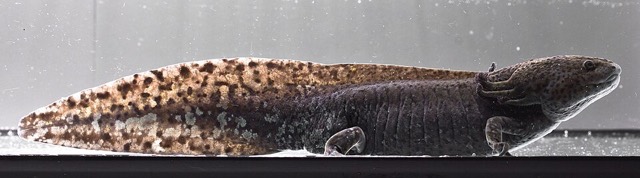
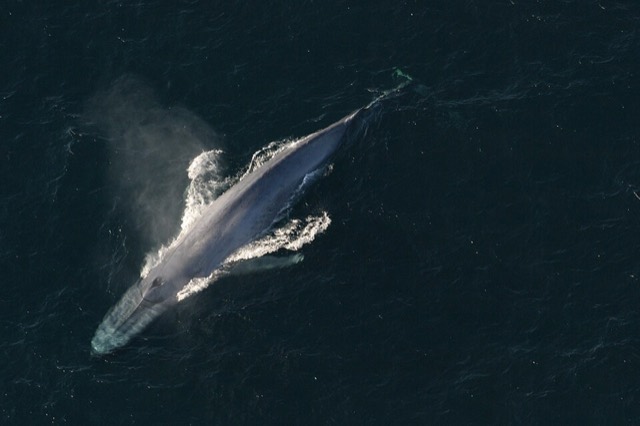
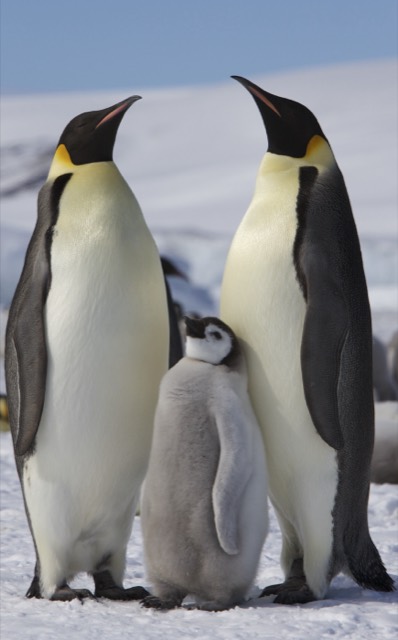
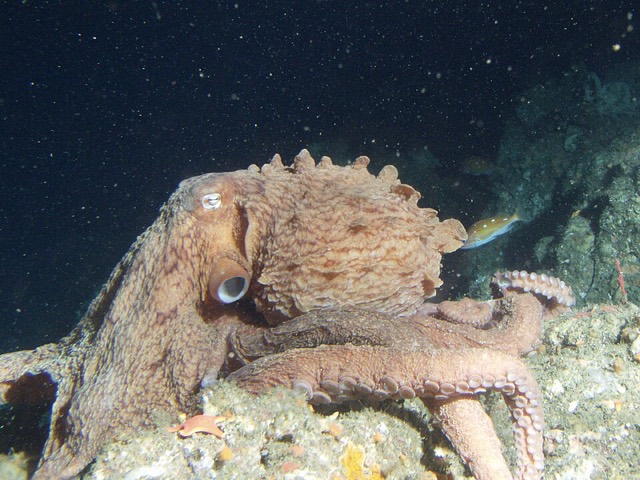
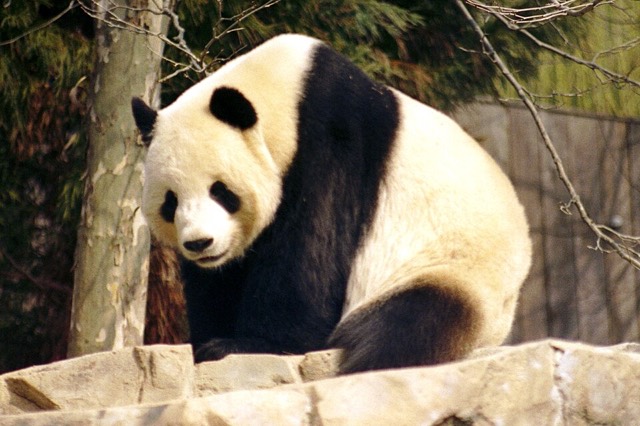
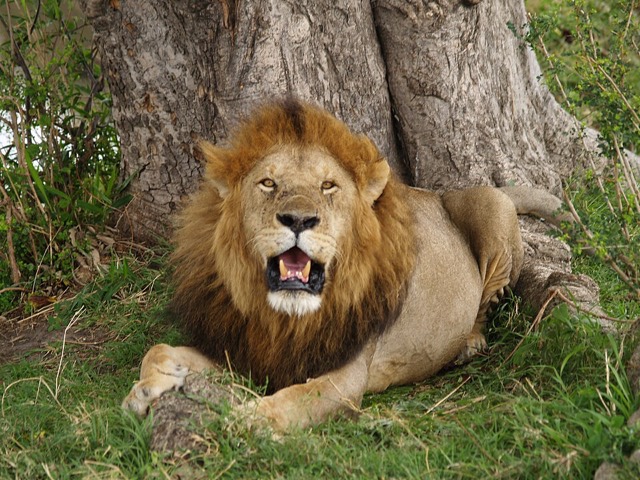
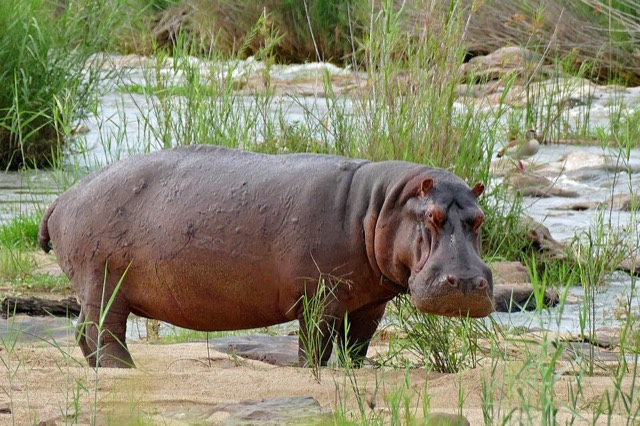
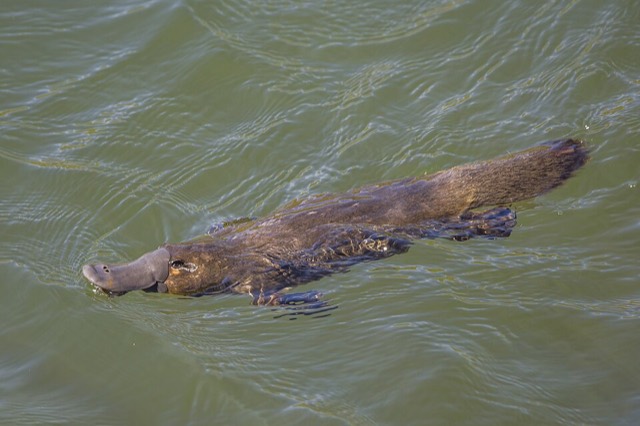
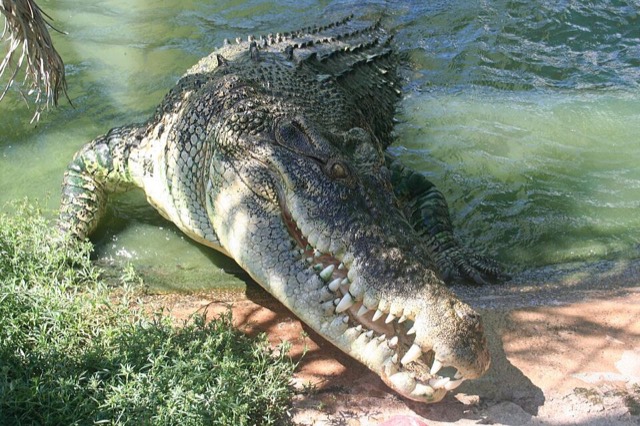
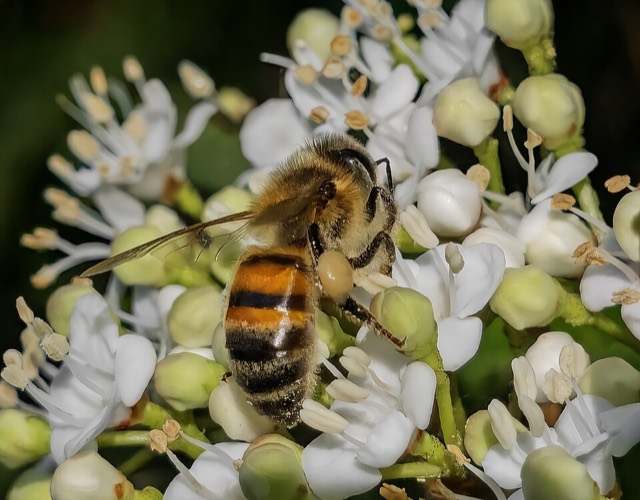
AardvarkA sticky tongue meets a muscular stomach.Orycteropus afer ↗AdderA northern snake’s year includes a long winter pause.Vipera berus ↗Aesculapian snakeSmooth bronze scales can travel far above the forest floor.Zamenis longissimus ↗African bush elephantGrass, branches and water leave their marks on elephant society.Loxodonta africana ↗African civetA raised back crest changes the silhouette.Civettictis civetta ↗Allmouth goosefishThe fishing rod is part of the fish.Lophius piscatorius ↗AlpacaChewing cud does not imply a cow's stomach layout.Vicugna pacos ↗Alpine ibexMountain footing begins where the hoof meets rock.Capra ibex ↗American alligatorA predator can also reshape a wetland.Alligator mississippiensis ↗American badgerA striped face leads a body built to move soil.Taxidea taxus ↗American bird grasshopperThe same grasshopper can grow up in different colours.Schistocerca americana ↗American bisonA dust bath can leave a small hollow with a lasting footprint.Bison bison ↗American bullfrogA pond chorus is a moving social scene.Aquarana catesbeiana ↗American cockroachA name can travel farther than an animal’s origins.Periplaneta americana ↗American crowLast year's young can help feed this year's chicks.Corvus brachyrhynchos ↗American kestrelA small falcon’s fence post can be a hunting platform.Falco sparverius ↗Andean condorA huge bird can travel on rising air.Vultur gryphus ↗Antarctic krillA tiny feeding basket can work beneath the ice.Euphausia superba ↗Arctic foxWinter white is one coat strategy, not the only one.Vulpes lagopus ↗Arizona bark scorpionA desert scorpion still seeks shelter from the day’s heat.Centruroides sculpturatus ↗Asian tiger mosquitoStriped legs are a starting point, not the final answer.Aedes albopictus ↗Atlantic blue crabAn estuary resident with an ocean-going beginning.Callinectes sapidus ↗Atlantic codA shoal shares a journey, not necessarily an identical meal.Gadus morhua ↗Atlantic horseshoe crabA pointed tail that can help turn the body upright.Limulus polyphemus ↗Atlantic mackerelA mackerel school can change formation when the prey changes.Scomber scombrus ↗Atlantic puffinA bill can keep the first fish while the next one is caught.Fratercula arctica ↗Atlantic salmonThe same fish changes its water and its appearance.Salmo salar ↗Australian box jellyA transparent box-shaped bell has four tentacle clusters.Chironex fleckeri ↗AxolotlAdult life, with the feathery gills still attached.Ambystoma mexicanum ↗Bactrian camelTwo humps store energy, not drinking water.Camelus bactrianus ↗Bald eagleA white-headed eagle can be a fisher, scavenger and thief.Haliaeetus leucocephalus ↗Ball pythonThe ball is a defensive posture.Python regius ↗Barn swallowA drink can be collected without leaving the air.Hirundo rustica ↗Basking sharkA giant open mouth can be a plankton filter rather than a large-prey trap.Cetorhinus maximus ↗Bee hummingbirdA tiny bird can move pollen while drinking nectar.Mellisuga helenae ↗Beluga whaleA beluga can turn its head without turning its whole body.Delphinapterus leucas ↗Black kiteA forked tail steers above a menu of opportunities.Milvus migrans ↗Black mambaThe black in its name is inside the mouth.Dendroaspis polylepis ↗Black-tailed jackrabbitYoung hares meet the world already furred and open-eyed.Lepus californicus ↗Black-tailed prairie dogA grassland neighbourhood has rooms below and lookouts above.Cynomys ludovicianus ↗Black vultureA soaring scavenger can find a meal by watching another scavenger.Coragyps atratus ↗Blue-footed boobyBlue feet are part of the courtship display.Sula nebouxii ↗Blue jayBlue feathers can be blue without blue pigment.Cyanocitta cristata ↗Blue mackerelA streamlined hunter with a surprisingly broad small-prey menu.Scomber australasicus ↗Blue sea dragonThe blue side facing the sky is actually the sea slug’s underside.Glaucus atlanticus ↗Blue sharkBlue above, pale below: an ocean swimmer has more than one colour.Prionace glauca ↗Blue whaleA giant with a very small menu.Balaenoptera musculus ↗Blue wildebeestA zebra can crop the tall grass before a wildebeest reaches the greener layer.Connochaetes taurinus ↗BobcatThe short tail is obvious; the patient approach happens out of sight.Lynx rufus ↗BonoboFruit eaten today can become a seed journey through the forest.Pan paniscus ↗Broad-snouted caimanA broad snout accompanies a changing menu.Caiman latirostris ↗Brook lampreyTeeth appear just when eating ends.Lampetra planeri ↗Brown bear“Brown” is a species name, not a reliable colour swatch.Ursus arctos ↗Brown ratA burrow is shelter, storage and a route away from disturbance.Rattus norvegicus ↗Brown recluse spiderA violin mark is a clue, not a verdict.Loxosceles reclusa ↗Brown troutRiver, lake or sea: different journeys can belong to one species.Salmo trutta ↗Bull sharkEntering a river requires a shark to change how it handles salt and water.Carcharhinus leucas ↗Bulwer's pheasantA white tail and blue wattles transform a forest bird’s display.Lophura bulweri ↗BurbotWinter ice can cover a fish’s spawning season rather than end it.Lota lota ↗Burmese pythonAfter waiting for food, its digestive system changes gear.Python bivittatus ↗California sea lionThe flippers that drive a swim can also support a walk ashore.Zalophus californianus ↗Canada darnerA Canada darner can spend more than one winter underwater before it flies.Aeshna canadensis ↗Canada gooseA V in the sky does not tell the whole year.Branta canadensis ↗Cane toadA toad with a remarkably broad menu.Rhinella marina ↗Cape dwarf geckoThe tail has a gripping surface too.Lygodactylus capensis ↗Cape porcupineThe tail can rattle before the quills meet anything.Hystrix africaeaustralis ↗CapybaraWater, grass and dry resting ground all belong in one home range.Hydrochoerus hydrochaeris ↗Castor bean tickA tiny animal's journey crosses several hosts.Ixodes ricinus ↗Channel catfishThe whiskers are sensory tools, not just decoration.Ictalurus punctatus ↗CheetahA chase involves turns, not just a speed record.Acinonyx jubatus ↗ChimpanzeeA stick can become a feeding tool, but not every group uses it alike.Pan troglodytes ↗Chinese alligatorUnderground rooms and low calls shape this alligator’s life.Alligator sinensis ↗Chinese mitten crabA freshwater feeding life leads downstream to breeding.Eriocheir sinensis ↗Christmas tree wormTwo little trees are feeding structures.Spirobranchus giganteus ↗CockatielA movable crest adds a visible channel to a cockatiel’s calls.Nymphicus hollandicus ↗CockchaferA few spring weeks above ground follow years below it.Melolontha melolontha ↗Coconut crabA land crab's beginning still belongs to the sea.Birgus latro ↗Colorado potato beetleA striped beetle and a red grub are two stages of the same species.Leptinotarsa decemlineata ↗Common bedbugA parasite can feed on a host without living on it between meals.Cimex lectularius ↗Common blackbirdA black male does not make every blackbird black.Turdus merula ↗Common boaA young boa often climbs where a heavier adult stays on the ground.Boa constrictor ↗Common bottlenose dolphinAn echo helps find an object; a whistle helps keep contact.Tursiops truncatus ↗Common box turtleA hinge turns the lower shell into a closing door.Terrapene carolina ↗Common breamA young bream does not yet have the deep body of a mature one.Abramis brama ↗Common carpThe muddy mouthful is sorted before the meal is swallowed.Cyprinus carpio ↗Common chameleonA chameleon’s changing colour is also a signal, not a background-copying machine.Chamaeleo chamaeleon ↗Common cuckooOne chick can sound like a whole hungry brood.Cuculus canorus ↗Common cuttlefishEight holding arms, two reaching tentacles.Sepia officinalis ↗Common earthwormA fallen leaf can travel down an earthworm’s burrow.Lumbricus terrestris ↗Common eastern bumblebeeA bumblebee can revisit flowers along a learned route.Bombus impatiens ↗Common frogOne pond, two very different menus.Rana temporaria ↗Common hoopoeA long bill can open while it is already inside the soil.Upupa epops ↗Common liver flukeA leaf-shaped body with an active outer coat.Fasciola hepatica ↗Common loonExcellent underwater propulsion comes with an awkward walk ashore.Gavia immer ↗Common nightingaleA nightingale’s song does not belong exclusively to the night.Luscinia megarhynchos ↗Common opossumA forest forager can make use of a surprising number of hiding places.Didelphis marsupialis ↗Common ostrichA lowered neck is not a head buried in sand.Struthio camelus ↗Common periwinkleA snail on a rock may be grazing a film you can barely see.Littorina littorea ↗Common pill woodlouseRolling into a ball protects a body that also needs moisture.Armadillidium vulgare ↗Common quailA bird that stays out of sight can still be a long-distance traveller.Coturnix coturnix ↗Common ravenA raven may hide today’s surplus for a later meal.Corvus corax ↗Common ringtail possumA gripping tail and a second pass through the digestive system.Pseudocheirus peregrinus ↗Common roachA silvery shoaling fish changes its menu as it grows.Rutilus rutilus ↗Common silky anteaterA small forest anteater whose old name once covered several species.Cyclopes didactylus ↗Common slow wormA legless lizard can blink.Anguis fragilis ↗Common snapping turtleA long neck changes the view from the mud.Chelydra serpentina ↗Common starfishA small opening can turn into a meal.Asterias rubens ↗Common starlingA moving cloud of starlings is built from neighbours reacting to neighbours.Sturnus vulgaris ↗Common swiftA nest made with materials caught in mid-air.Apus apus ↗Common thresherThe tail joins the hunt.Alopias vulpinus ↗Common toadA quiet night walk leads back to a crowded breeding pond.Bufo bufo ↗Common vampire batA blood-feeding bat can also be a careful food-sharing neighbour.Desmodus rotundus ↗Common warthogA grass meal can be eaten on padded wrists.Phacochoerus africanus ↗Common wombatA wombat’s excavation can become somebody else’s shelter.Vombatus ursinus ↗CougarA plain-coated adult begins life as a spotted kitten.Puma concolor ↗CoyoteA pounce, a den and a chorus are three different clues.Canis latrans ↗Deep-water redfish (sea cucumber)The name says “redfish”; the animal is a sea cucumber.Actinopyga echinites ↗Desert locustThe same species can be solitary or part of a swarm.Schistocerca gregaria ↗Diving bell spiderAn underwater home can still contain breathable air.Argyroneta aquatica ↗Dog fleaA dog flea has no wings, but it does not need them to reach a host.Ctenocephalides canis ↗Dog heartwormOne life cycle needs two very different hosts.Dirofilaria immitis ↗Domestic catQuiet feet, ready claws and light-catching eyes.Felis catus ↗Domestic goatA browsing adult begins life on a very different diet.Capra hircus ↗Domestic sheepA bleat can help a ewe find her own lamb.Ovis aries ↗Domestic silk mothSilk is part of a transformation, not just a material.Bombyx mori ↗DromedaryThe hump stores fuel, not a flask of drinking water.Camelus dromedarius ↗Eastern chipmunkCheek pouches carry provisions, not proof of a secret earth-moving scheme.Tamias striatus ↗Eastern gray squirrelA squirrel can use landmarks as well as smell to retrieve a buried nut.Sciurus carolinensis ↗Egyptian mongooseAn egg can be opened with a throw.Herpestes ichneumon ↗electric eelThe electricity is both a sense and a tool.Electrophorus electricus ↗ElkAntlers grow under velvet before the bare bone appears.Cervus canadensis ↗Emperor penguinThe egg has no nest. Dad brings the warm floor.Aptenodytes forsteri ↗Emperor scorpionLarge pincers and a luminous outer coat.Pandinus imperator ↗EmuFlightless does not mean without useful feathers.Dromaius novaehollandiae ↗Eurasian golden orioleA brilliant yellow bird can still be difficult to find among canopy leaves.Oriolus oriolus ↗Eurasian jayAn autumn acorn can become a winter meal.Garrulus glandarius ↗Eurasian lynxA quiet cat leaves tracks before it offers a sighting.Lynx lynx ↗Eurasian magpieA stick dome shelters more than a black-and-white bird.Pica pica ↗Eurasian wrenA bird that creeps through low cover can still cross open sea on migration.Troglodytes troglodytes ↗European badgerAn underground home needs bedding, not just tunnels.Meles meles ↗European eelA continental life can end with an ocean journey.Anguilla anguilla ↗European fire-bellied toadA quiet back can hide a bright warning.Bombina bombina ↗European green crabA green crab can be red—and still be the same species.Carcinus maenas ↗European hedgehogA spiny visitor with more than one kind of nest.Erinaceus europaeus ↗European herring gullAn English “herring gull” is not a herring specialist.Larus argentatus ↗European hornetA paper nest starts as chewed plant material.Vespa crabro ↗European lobsterTwo claws, two different kinds of work.Homarus gammarus ↗European mantisFolded forelegs are hunting equipment.Mantis religiosa ↗European medicinal leechTwo suckers, three jaws, and a meal that must stay liquid.Hirudo medicinalis ↗European moleTiny, fur-hidden eyes are still eyes that can detect light.Talpa europaea ↗European perchStriped sides, a changing menu and a ribbon of eggs.Perca fluviatilis ↗European robinFreshly turned soil can ring a dinner bell.Erithacus rubecula ↗European stag beetleThe “antlers” are jaws, and the long childhood is spent in decaying wood.Lucanus cervus ↗European tree frogToe discs connect a pond-breeding frog to life above the ground.Hyla arborea ↗FerretA “war dance” can be an invitation to play.Mustela putorius furo ↗Fire salamanderA land-dwelling salamander can send larvae into water.Salamandra salamandra ↗Flathead grey mulletA fish can use river water and still return to sea to spawn.Mugil cephalus ↗Florida carpenter antAn ant’s food supply includes partners living inside its gut.Camponotus floridanus ↗Formosan subterranean termiteWood feeds a colony through its workers.Coptotermes formosanus ↗Frilled sharkAn eel-like outline belongs to a shark.Chlamydoselachus anguineus ↗Genji fireflyBefore the evening lights, a life on the streambed.Nipponoluciola cruciata ↗GharialA narrow snout meets less water resistance while catching fish.Gavialis gangeticus ↗Giant clamA clam can host part of its own food supply.Tridacna gigas ↗Giant golden-crowned flying foxA flying fox can commute between islands to reach fruit.Acerodon jubatus ↗Giant huntsman spiderLeg span measures an outline, not the size of the whole solid body.Heteropoda maxima ↗Giant oarfishA ribbon-shaped fish can swim upright with its tail pointing down.Regalecus glesne ↗Giant oceanic manta rayThe curled head fins can unfold to guide food-bearing water inward.Mobula birostris ↗Giant Pacific octopusEight arms. A hidden beak. A very different way to be a mollusc.Enteroctopus dofleini ↗Giant pandaThe bamboo grip starts in the wrist.Ailuropoda melanoleuca ↗Giant squidTwo long tentacles catch; eight arms bring the catch to a beak.Architeuthis dux ↗Giant tiger prawnA striped prawn whose address changes as it grows.Penaeus monodon ↗Gila monsterBeaded skin, a searching tongue and a fat-storing tail.Heloderma suspectum ↗Goblin sharkThe jaws reach forward before the whole shark needs to.Mitsukurina owstoni ↗Golden eagleGolden at the nape, variable through youth.Aquila chrysaetos ↗Golden hamsterThose swollen cheeks are transport bags, not a giant swallowed meal.Mesocricetus auratus ↗Golden lion tamarinLong fingers find meals where eyes cannot look.Leontopithecus rosalia ↗GoldfishA familiar fish with a learnable world.Carassius auratus ↗Goliath birdeater“Birdeater” describes a possibility, not the everyday menu.Theraphosa blondi ↗Goliath frogA riverbank pool can be a frog-built nursery.Conraua goliath ↗Grass snakeA strong swimmer still needs places to bask, lay eggs and overwinter.Natrix natrix ↗Great blue heronA still heron can be hunting, not resting.Ardea herodias ↗Great egretA flying egret folds its neck, even though it can stretch it tall on foot.Ardea alba ↗Great hammerheadThe broad head senses prey; the tall dorsal fin can help during rolled swimming.Sphyrna mokarran ↗Great titSmall feet can become a food-holding tool.Parus major ↗Great white pelicanA pouch takes in the water, then lets the water go.Pelecanus onocrotalus ↗Great white sharkA long journey can run on reserves in the liver.Carcharodon carcharias ↗Greater blue-ringed octopusBright blue can be revealed by opening folds in the skin.Hapalochlaena lunulata ↗Greater flamingoThe bill turns downward, the feet stir mud, and tiny food is filtered out.Phoenicopterus roseus ↗Green anacondaEyes and nostrils can stay above water while the body remains hidden.Eunectes murinus ↗Green iguanaLiving in trees does not rule out a swim.Iguana iguana ↗Green sea turtleThe green in the name is not a promise about the shell.Chelonia mydas ↗Green sea urchinA spiny adult begins as a swimmer.Strongylocentrotus droebachiensis ↗Green tree pythonGreen adults begin life in yellow or reddish colours.Morelia viridis ↗Greenhouse millipedeA small recycler works among damp leaves.Oxidus gracilis ↗Greenland sharkA centuries-old shark’s age is an estimate built from eye tissue, not a counted birthday.Somniosus microcephalus ↗Grey parrotLearning a sound and using a learned label are different achievements.Psittacus erithacus ↗Grey sealUnderwater applause is not just a trained trick.Halichoerus grypus ↗GroundhogA groundhog’s winter is an active physiological change, not just a long nap.Marmota monax ↗Guinea baboonGround foraging and tree sleeping share one day.Papio papio ↗Guinea pigThe guinea pig’s name hides its South American history.Cavia porcellus ↗GuppyColour can attract a mate and catch a predator’s eye.Poecilia reticulata ↗Harbour porpoiseA small coastal hunter follows fish through the water column.Phocoena phocoena ↗Harlequin poison frogA tiny pool can become a nursery supplied with unfertilised eggs.Oophaga histrionica ↗Hawksbill sea turtleA narrow hooked beak reaches food among reef structures.Eretmochelys imbricata ↗Hercules beetleThe horns lift rivals; the larvae spend their time in rotting wood.Dynastes hercules ↗House centipedeA young house centipede has fewer legs than the adult it will become.Scutigera coleoptrata ↗House mouseA mouse can read a nearby surface with its whiskers.Mus musculus ↗House sparrowA familiar sparrow has different faces within the same species.Passer domesticus ↗HouseflyA sponge-like mouth and tasting feet make a different kind of diner.Musca domestica ↗HumanYou are reading about an animal that can pass its discoveries to strangers.Homo sapiens ↗Humpback whaleA curtain of bubbles can gather a meal.Megaptera novaeangliae ↗Hyacinth macawA powerful bill still benefits from a better grip on a hard nut.Anodorhynchus hyacinthinus ↗Indian cobraThe familiar spectacles are a variable pattern on an expandable hood.Naja naja ↗Indian peafowlThat famous fan is not made from the tail feathers.Pavo cristatus ↗Itch miteCount the legs at different ages: six becomes eight.Sarcoptes scabiei ↗Japanese macaqueA troop can inherit habits as well as share a home range.Macaca fuscata ↗Japanese spider crabLong legs are not the same measurement as a wide body.Macrocheira kaempferi ↗KererūThe menu follows the fruit season—and sometimes switches to leaves.Hemiphaga novaeseelandiae ↗KinkajouA fruit-loving climber belongs to Carnivora, not to the monkeys.Potos flavus ↗Komodo dragonThe forked tongue samples chemicals rather than frightening prey by appearance.Varanus komodoensis ↗Large white butterflyA cabbage leaf and a flower feed different stages.Pieris brassicae ↗Least weaselA slender body follows prey into its own tunnels.Mustela nivalis ↗Leatherback sea turtleA leatherback’s flexible back still contains tiny bones.Dermochelys coriacea ↗Leopard moray eelA flexible body helps handle resistant prey.Enchelycore pardalis ↗Lesser fruit flyOne pair of wings, with a second pair transformed.Drosophila melanogaster ↗Linnaeus's two-toed sloth“Two-toed” names the forefeet, not every foot on the animal.Choloepus didactylus ↗LionMeet the cat that makes family life a team sport.Panthera leo ↗LlamaLong ears, padded toes and a newborn ready to stand.Lama glama ↗Loggerhead sea turtleStrong jaws meet a life that begins among floating weeds.Caretta caretta ↗Long-tailed weaselA black tail tip remains when the winter coat turns white.Neogale frenata ↗Macaroni penguinA feather change needs fuel before it begins.Eudyptes chrysolophus ↗Malayan tapirA striped calf grows into a black-and-white adult.Tapirus indicus ↗MallardThe familiar duck has more than one voice and menu.Anas platyrhynchos ↗MandrillA bright face is a signal, not a permanent coat of paint.Mandrillus sphinx ↗March brown mayflyA winged mayfly can still have one more moult ahead.Rhithrogena germanica ↗Marine iguanaA seaweed meal ends with time in the sun.Amblyrhynchus cristatus ↗Marsh frogThe tadpole’s menu is not the adult frog’s menu.Pelophylax ridibundus ↗Mediterranean black widowThirteen spots are a clue, not a complete identification.Latrodectus tredecimguttatus ↗MeerkatAn alarm can tell a meerkat more than “something is wrong.”Suricata suricatta ↗Monarch butterflyOne migration route can take more than one generation to complete.Danaus plexippus ↗Mongolian gerbilA grassland home with more than one exit.Meriones unguiculatus ↗Moor frogA male’s blue breeding colour is a brief appearance, not its year-round coat.Rana arvalis ↗MooseA deer that browses below the waterline.Alces alces ↗Mountain ApolloAdults visit flowers; caterpillars need a different set of plants.Parnassius apollo ↗Mute swanMute is a comparison, not a vow of silence.Cygnus olor ↗Naked mole-ratDigging teeth sit outside a closed mouth.Heterocephalus glaber ↗Nanday parakeetA black mask sits above a green body.Aratinga nenday ↗NarwhalThe famous spiral is a tooth, not a horn.Monodon monoceros ↗New Guinea Amau frogA frog call sounded like an insect hidden in the leaves.Paedophryne amauensis ↗Nile crocodileA closed mouth still leaves a clue.Crocodylus niloticus ↗Nile hippopotamusThe “river horse” has a surprising family tree.Hippopotamus amphibius ↗Noble crayfishA night forager with a sheltered daytime address.Astacus astacus ↗North American beaverA beaver canal can turn a heavy log into a floating load.Castor canadensis ↗North American river otterWhiskers help a swimmer find food where vision alone is limited.Lontra canadensis ↗North Pacific krillA tiny Pacific animal makes a daily vertical journey.Euphausia pacifica ↗Northern golden orb weaverThe large spider and the tiny one on a web can be female and male of the same species.Nephila pilipes ↗Northern mockingbirdThe singer may be borrowing another animal's voice.Mimus polyglottos ↗Northern pikeA still fish can be preparing a very sudden movement.Esox lucius ↗Northern pikeminnowA “minnow” can grow into a predator of other fishes.Ptychocheilus oregonensis ↗Northern white-cheeked gibbonThe same young gibbon changes coats more than once.Nomascus leucogenys ↗Norway lobsterFor this lobster, the right mud is an address.Nephrops norvegicus ↗Oceanic whitetip sharkLong rounded fins belong to an open-ocean cruiser.Carcharhinus longimanus ↗OcelotAn ocelot can wait in cover rather than chase across an open field.Leopardus pardalis ↗OkapiZebra-like legs belong to a relative of the giraffe.Okapia johnstoni ↗Okarito kiwiA familiar-looking kiwi population turned out to need its own species name.Apteryx rowi ↗Old World swallowtailA swallowtail caterpillar changes disguise as it grows.Papilio machaon ↗Olive ridley sea turtleA nesting crowd begins in the sea.Lepidochelys olivacea ↗Orange clownfishThe largest fish in the group is the breeding female.Amphiprion percula ↗OrcaDifferent orca communities can share an ocean without sharing a menu.Orcinus orca ↗OspreyFeet first, fish next: a raptor built around a slippery catch.Pandion haliaetus ↗Pacific acorn barnacleA fixed shell begins with a drifting larva.Balanus glandula ↗Pacific banana slugA banana slug need not be yellow.Ariolimax columbianus ↗Pacific halibutOne eye crosses to the other side during growth.Hippoglossus stenolepis ↗Pacific oysterA drifting larva becomes a permanently attached oyster.Magallana gigas ↗Peacock mantis shrimpA spring-loaded club opens armoured meals.Odontodactylus scyllarus ↗Peregrine falconA hunting dive is not the same measurement as level flight.Falco peregrinus ↗Pharaoh cicadaSeventeen years of development, then a chorus above the ground.Magicicada septendecim ↗PigMud can be part of temperature control, not a preference for dirt.Sus scrofa domesticus ↗Pileated woodpeckerA tree can be a feeding site, a drum and a future home.Dryocopus pileatus ↗Plains zebraA huge zebra herd can contain many smaller, lasting groups.Equus quagga ↗PlatypusEyes shut. Dinner detector on.Ornithorhynchus anatinus ↗Polar bearSea ice is hunting habitat, not just a cold floor.Ursus maritimus ↗Pork tapewormA ribbon-shaped animal with a journey between hosts.Taenia solium ↗RaccoonThe masked face gets attention; the front paws do much of the work.Procyon lotor ↗Rainbow troutA river resident and a sea traveller can share one species name.Oncorhynchus mykiss ↗Red admiralOne butterfly carries both a bright display and a brown marbled underside.Vanessa atalanta ↗Red-bellied piranhaA school of piranhas can be seeking protection, not organising a hunt.Pygocentrus nattereri ↗Red deerEach antler is grown, used and shed—not kept for life.Cervus elaphus ↗Red-eared sliderThose red “ears” are markings, not little external ears.Trachemys scripta elegans ↗red-eyed tree frogHatching early can escape one danger while entering another.Agalychnis callidryas ↗Red imported fire antWorkers differ in proportions, not just in overall size.Solenopsis invicta ↗Red junglefowlA familiar crow belongs to a complex wild life.Gallus gallus ↗Red kangarooA kangaroo’s bounce stores energy before it releases it.Osphranter rufus ↗Red squirrelA red squirrel need not be red, and its tail has more than one job.Sciurus vulgaris ↗ReindeerCold legs can help keep the body warm.Rangifer tarandus ↗Ring-tailed lemurA striped tail can carry both a flag and a smell.Lemur catta ↗Rock hyraxSoft foot pads put a small plant-eater at home on rock.Procavia capensis ↗Roe deerA field can be a feeding place while a hedge serves as refuge.Capreolus capreolus ↗Roman snailThe shell has a doorway—and sometimes a temporary seal.Helix pomatia ↗Sable antelopeA dark bull and a brown youngster can belong to the same antelope species.Hippotragus niger ↗Sacred scarabA rolled dung ball can become both a meal and a nursery.Scarabaeus sacer ↗Saharan horned viperThe horns can be missing from a horned viper.Cerastes cerastes ↗Saltwater crocodileIts name says saltwater. Its range says more.Crocodylus porosus ↗Sand lizardA lizard’s daily route can run between sunlit and shaded patches.Lacerta agilis ↗Sandhill craneA crane can leave the nest quickly and still depend on its parents for months.Antigone canadensis ↗Sea lampreyA filter-feeding youngster becomes a fish-attaching adult.Petromyzon marinus ↗Sea otterA sea otter can carry a meal back up in a fold of skin.Enhydra lutris ↗Seven-spot ladybirdSeven spots belong to the adult; the young wear a different body.Coccinella septempunctata ↗Short-beaked echidnaAn egg-laying mammal with a tongue made for tiny prey.Tachyglossus aculeatus ↗SilverfishIts silver shimmer belongs to an insect, not a fish.Lepisma saccharinum ↗Snowy owlA snowy owl’s nest is a scrape in open tundra, not a tree hollow.Bubo scandiacus ↗Southern black widowA tangled web is organised around catching and wrapping.Latrodectus mactans ↗Southern cassowaryA forest-floor fruit eater with a father on nest duty.Casuarius casuarius ↗Southern stingrayEyes look upward while water enters through openings behind them.Hypanus americanus ↗Spectacle case pearly musselA river mussel begins with a fish connection.Cumberlandia monodonta ↗Spectacled caimanIts spectacles are bone, not a change in eyesight.Caiman crocodilus ↗Sperm whaleA short rhythm of clicks can mark a long social connection.Physeter macrocephalus ↗Spiny dogfishA shark’s spines are not its teeth.Squalus acanthias ↗Spotted hyenaThe famous laugh belongs to a skilled hunter with a busy nursery.Crocuta crocuta ↗Spotted lanternflyA plant-feeding hopper leaves sugar behind.Lycorma delicatula ↗Striped skunkThe claws that dig a den also uncover a meal.Mephitis mephitis ↗Sugar gliderSpread the limbs, tension the skin, and the next tree becomes reachable.Petaurus breviceps ↗Sumatran orangutanA branch can be a path—or a carefully prepared tool.Pongo abelii ↗Sunda pangolinScales outside, a sticky tongue inside.Manis javanica ↗SwordfishA slashing bill works alongside locally warmed eyes.Xiphias gladius ↗Tanimbar corellaA cockatoo can change the tool when the task changes.Cacatua goffiniana ↗Tasmanian devilA scavenger's meal is not the same as a kill.Sarcophilus harrisii ↗ThylacineA tiger name, a wolf-like outline, and a marsupial pouch.Thylacinus cynocephalus ↗Tiger sharkSlow cruising does not reveal the whole hunting repertoire.Galeocerdo cuvier ↗Tiger tail seahorseThe tiger pattern belongs to a tail that can hold on.Hippocampus comes ↗TigerA tiger’s stripes work against a background of broken light.Panthera tigris ↗Toco toucanA toucan’s bill can shed heat as well as handle food.Ramphastos toco ↗Turkey vultureA smell rising from under leaves can guide a bird above the canopy.Cathartes aura ↗Two-spotted spider miteTiny pale leaf spots can record an animal feeding cell by cell.Tetranychus urticae ↗Vampire squidThe “vampire” collects sinking scraps instead of drinking blood.Vampyroteuthis infernalis ↗Viviparous lizardA live-bearing name still leaves room for egg-laying populations.Zootoca vivipara ↗WalrusThe tusks get the portrait; sensitive whiskers help find dinner.Odobenus rosmarus ↗Waratah anemoneA flower-shaped animal that folds with the tide.Actinia tenebrosa ↗Wasp spiderThe stripes resemble a wasp; the prey-catching machine is silk.Argiope bruennichi ↗Water buffaloWater and mud help a buffalo manage heat.Bubalus bubalis ↗Wedge-capped capuchinA dark wedge on the head, and a forest life shared with helpers.Cebus olivaceus ↗Wels catfishSix barbels surround a broad mouth that explores a varied menu.Silurus glanis ↗West Indian manateeA manatee explores with hairs far beyond the edges of its face.Trichechus manatus ↗West Indian Ocean coelacanthA blue fish whose daylight shelter is not its night-time dining room.Latimeria chalumnae ↗Western barn owlA pellet can preserve the evidence of dinner.Tyto alba ↗Western diamondback rattlesnakeDiamond marks and a banded tail tell different parts of the pattern.Crotalus atrox ↗Western gorillaA large ape follows a changing fruit calendar.Gorilla gorilla ↗Western honey beeA flower patch can become a set of dance directions.Apis mellifera ↗Western jackdawA pair can stay together inside a much larger flock.Coloeus monedula ↗Whale sharkA giant mouth filters small meals.Rhincodon typus ↗White rhinocerosA wide mouth makes more sense than the colour in its name.Ceratotherium simum ↗White-tailed deerCounting antler points is not the same as counting birthdays.Odocoileus virginianus ↗White-tipped doveIts white tail tips are easiest to notice when the bird moves.Leptotila verreauxi ↗White wagtailA wagging tail is obvious; its purpose is less settled.Motacilla alba ↗Wild boarMuch of a wild boar’s dinner is hidden under the ground.Sus scrofa ↗Wild turkeyA bird that walks to dinner can still fly to bed.Meleagris gallopavo ↗WolfA pack is a social family, not just a contest for a title.Canis lupus ↗WolverineA wolverine can turn another predator’s leftovers into a winter resource.Gulo gulo ↗YakThe long coat is only the visible layer of a high-altitude animal.Bos grunniens ↗Yellow-bellied sea snakeAn ocean home does not mean drinking the ocean.Hydrophis platurus ↗Yellow fever mosquitoFemale and male mosquitoes do not share an identical menu.Aedes aegypti ↗Yellow perchA striped fish changes its menu as it grows.Perca flavescens ↗Yellow tube spongeA reef tube is an animal, not a plant stem.Aplysina fistularis ↗Yellowfin tunaBright yellow fins mark a predator that can also become prey.Thunnus albacares ↗Yucatán black howlerA leaf eater can announce its presence without travelling to every rival.Alouatta pigra ↗